

The Ultimate Porsche Macan Guide: Compact SUV with Porsche DNA
When Porsche trotted out the Macan, some enthusiasts raised eyebrows: an SUV wearing the crest, and not a two-seater sports car in sight. But the Macan didn’t simply fill a segment; it raised expectations.
A decade on, the first-generation Macan (platform 95B) still commands attention because it manages to deliver genuine Porsche handling and performance in a usable, everyday package. For buyers who want engagement and utility without sacrificing dynamics, this is one of the best values in the Porsche lineup.
Model Overview & Evolution
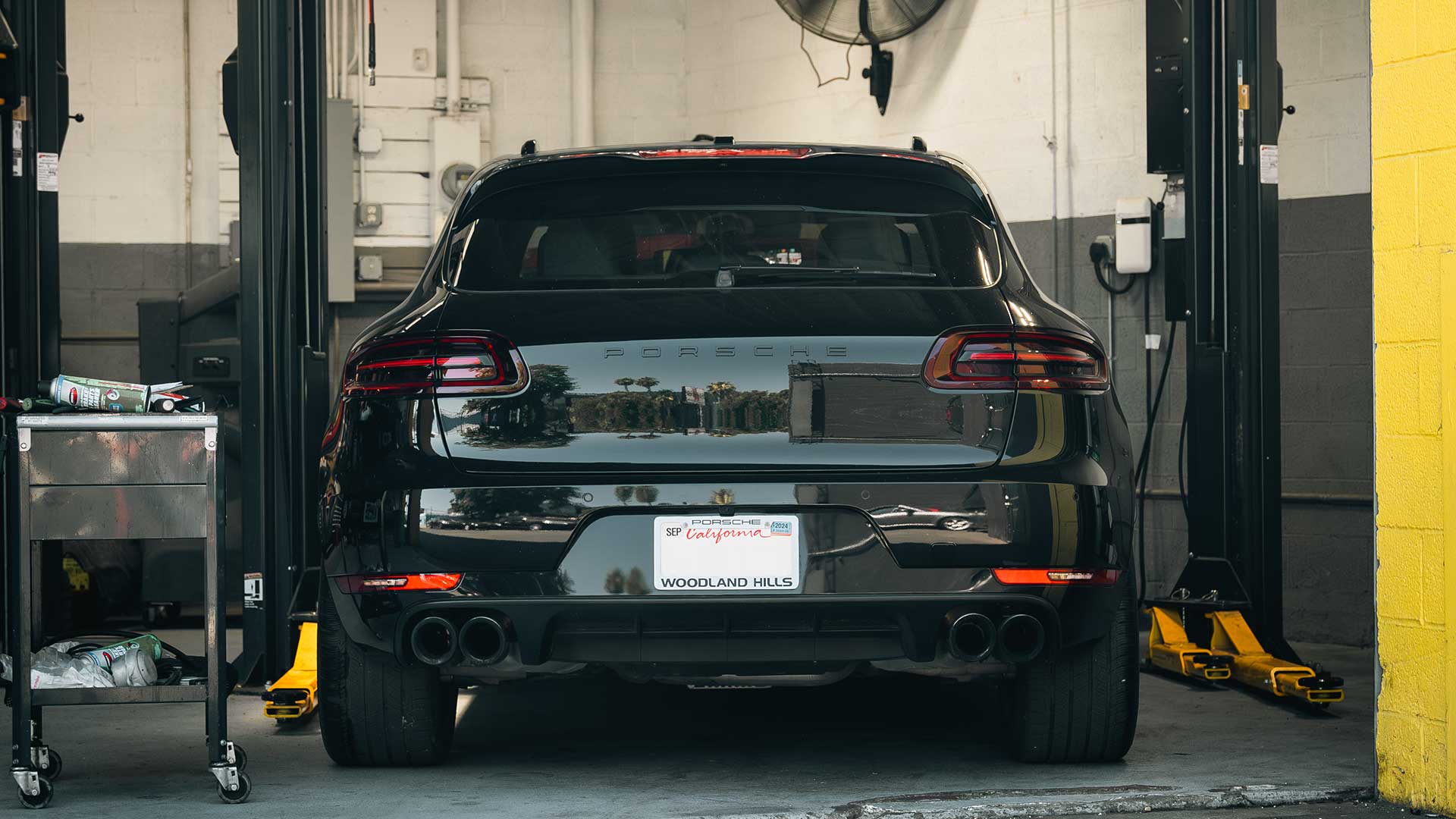
2015-2018: The Launch Era (95B.1)
The Macan arrived in the U.S. for model year 2015 with strong credentials: the Macan S powered by a 3.0-liter twin-turbo V6 producing around 340 horsepower, and the Macan Turbo with a 3.6-liter twin-turbo V6 generating roughly 400 horsepower.
Porsche’s 7-speed PDK transmission and rear-biased all-wheel-drive layout rooted the SUV firmly in the driving world rather than simply the utility world. In 2017 the base 2.0-liter turbo four arrived, and the GTS variant made its debut, giving enthusiasts a sharper option.
This era established the Macan’s reputation for being a sports car in SUV clothing. Yet it carried some of the typical first-generation quirks: older infotainment architecture, early-build software and hardware issues, and a handful of drivetrain concerns.
2019-2021: Mid-Cycle Refresh (95B.2)
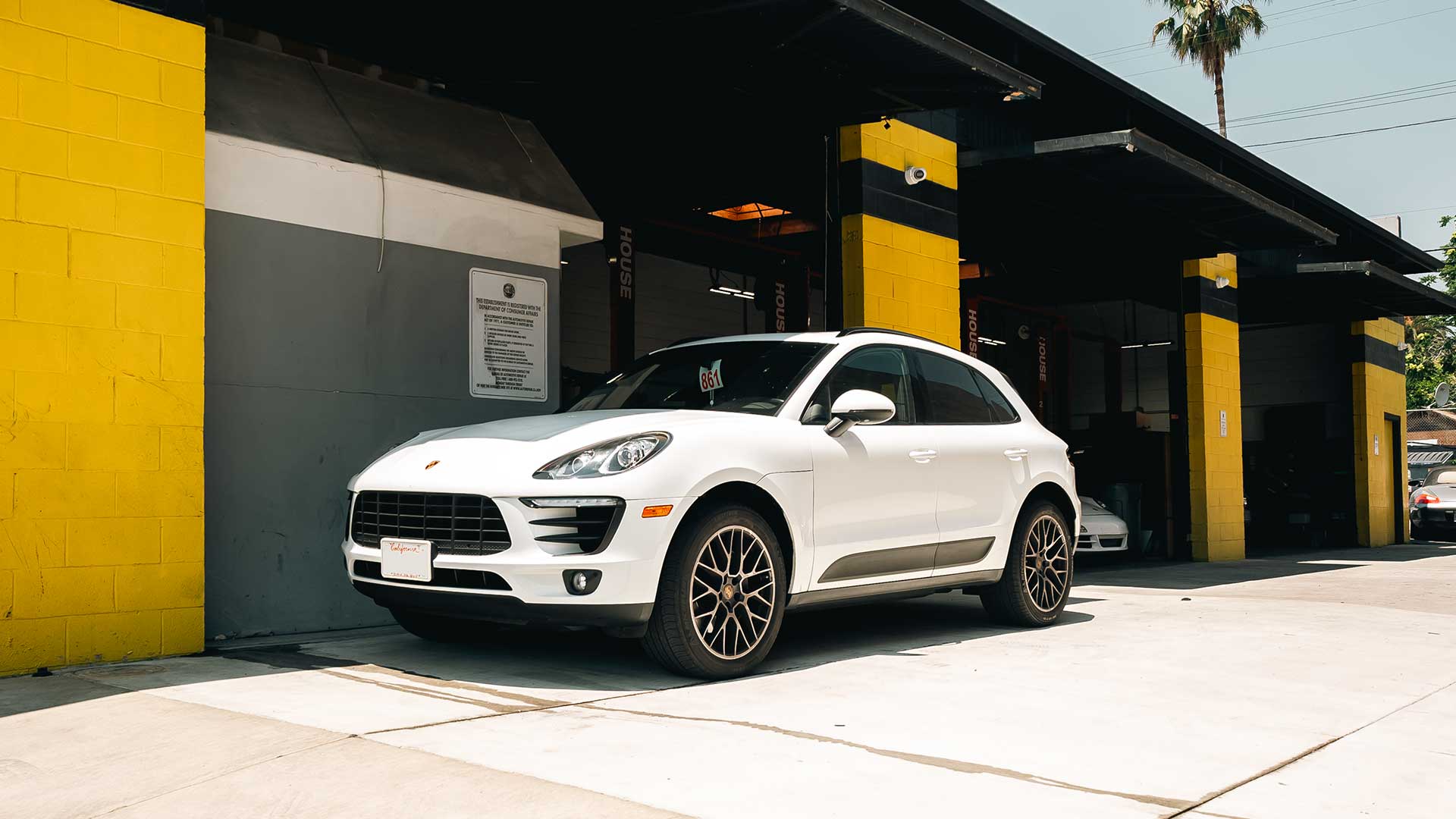
With this refresh, Porsche refined what worked and addressed many of what didn’t. A new 10.9-inch touchscreen infotainment system appeared, along with full LED lighting, a full-width rear light bar and updated bumpers.
Engine updates included the Macan S moving to a 3.0-liter single-turbo V6 with about 348 horsepower and the GTS being repositioned as a sharper driver’s choice. Many consider this generation the sweet spot: strong performance, modern tech, and significantly more refinement while retaining the core driving engagement.
2022-Final ICE Model Years (95B.3)
The final iteration of the internal-combustion Macan sees further refinement. It retains the basic architecture but with more aggressive styling updates, a reworked center console with haptic controls, and higher output across some trims.
With the Macan GTS stepping up as the performance flagship producing roughly 434 horsepower, this version becomes the culmination of the ICE Macan experience. For buyers, it offers the most modern interior, the strongest powertrains, and likely the best long-term value, with modest production overlap before the full-electric Macan becomes the only model available.
Driving Experience
Bottom line: the Macan drives like far fewer SUVs than it should.
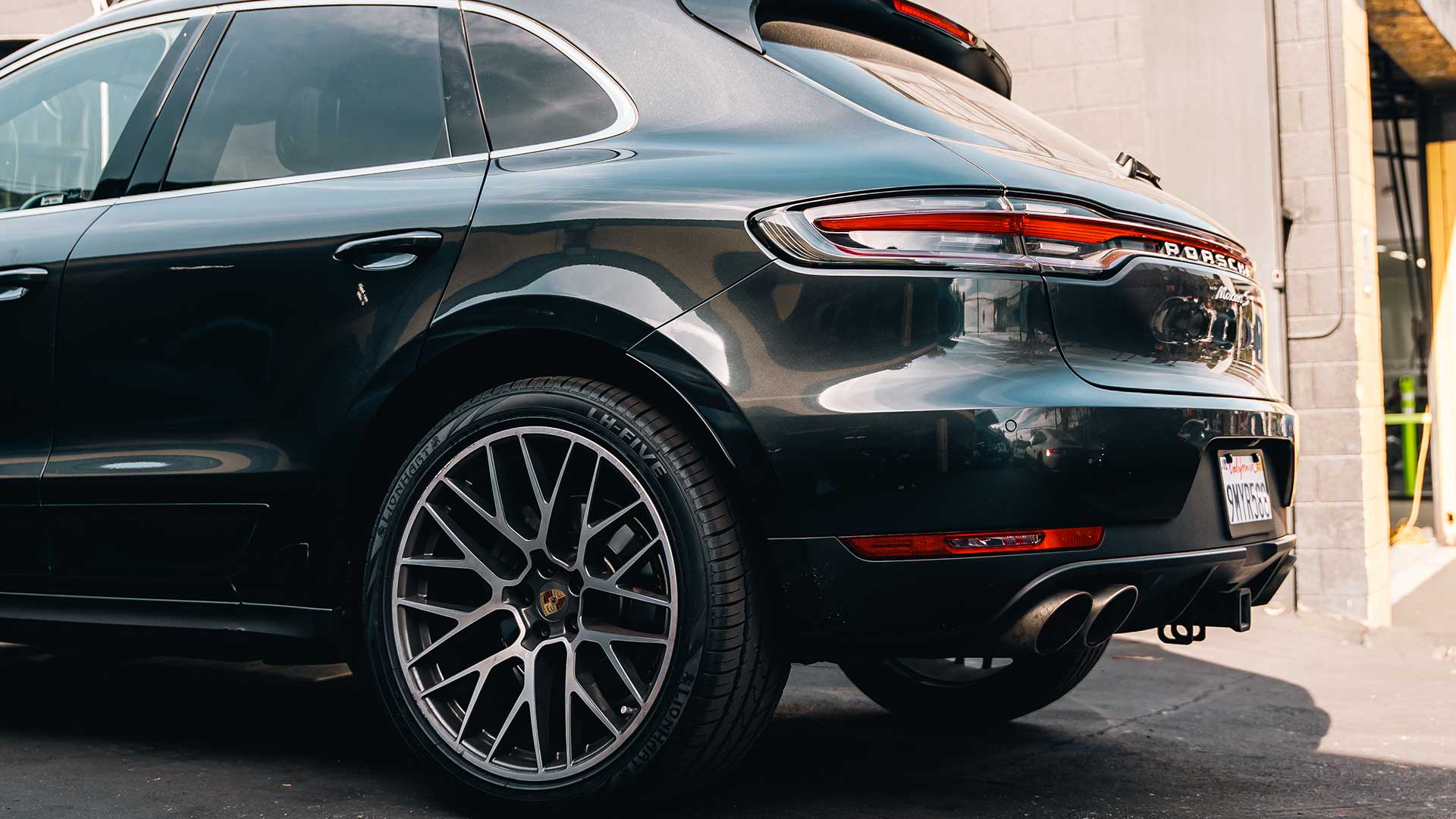
The steering is sharp, the chassis taut, and even in base trim you feel engaged rather than simply chauffeured. Early Macans with hydraulic steering arguably deliver the most analog feel, while later ones refine things at the cost of a little immediacy.
On winding roads the Macan shrinks around you, especially when equipped with PASM adaptive suspension and Sport Chrono packages. The GTS variant stands out here: a lower ride height, sharper tune, and sport exhaust turn the SUV into a driver’s machine. Even the base 2.0-liter turbo four invites you to play, though it lacks the soundtrack and mid-range punch of the V6s.
For daily use, the Macan is far more accommodating than a pure sports car. It offers five seats, usable cargo space, and the real-world comfort.. Owners who lean into the performance side will want to budget for consumables accordingly. Big brakes wear fast, tires go quick, and the active chassis systems demand regular attention to maintain that Porsche sharpness.
Common Issues & Ownership Insights
No machine is perfect, and the Macan is no exception.
Here are the common problem areas and what to look for when buying or maintaining one:
Transfer Case and All-Wheel-Drive System
Early Macans from 2015 to 2016 reported binding, vibration, or unusual noises from the AWD transfer case. Porsche extended coverage in many cases.
PDK Transmission and Software Updates
Proper servicing of the PDK and keeping the software up to date are musts. Neglect here can lead to delayed shifts or rough engagement.
Oil and Turbo-System Leaks
The V6 twin-turbo units, especially early ones, have exhibited oil feed line leaks, turbocharger waste-gate rattles, and related symptoms.
Infotainment and Electronics
Earlier models have outdated PCM systems, slow response times, and glitches compared to newer trims. Many buyers prefer the post-2019 refresh for this reason.
Brake and Tire Consumption
This one isn’t a defect so much as a cost of ownership. The Macan’s performance components wear faster than typical SUVs. Be sure the service history reflects regular maintenance.
Other Minor Issues
Complaints include leaking rear washers, headlight sealing issues, rubber seal creaks, and minor alignment problems from road use.
When buying one, ensure the service history is complete: recent oil service, brake fluid replacement, proper PDK service intervals, and any documented factory updates. A well-maintained Macan will reward its owner; one neglected can quickly become expensive.
Ownership, Value & What to Pay
The Macan’s market value offers strong upside for enthusiasts.
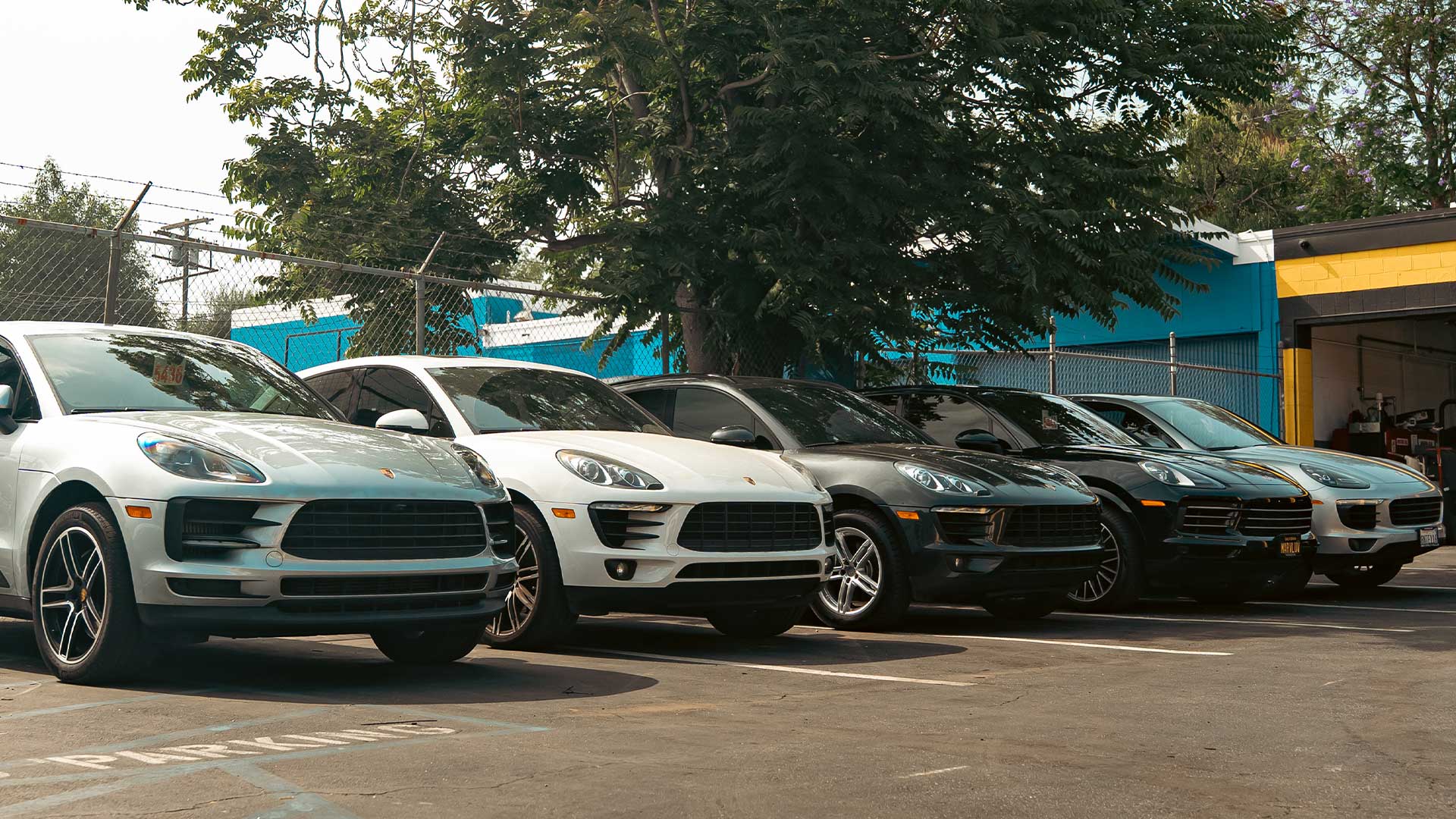
Early models are accessible entry points into the Porsche brand, while later refreshes deliver modern tech and stronger long-term potential. Used Macans from the early years often trade in the mid-$20,000s in the U.S., while 2019 to 2021 units command higher values due to upgrades.
Buyers should focus less on mileage and more on condition and service records. A 2017 to 2021 Macan S or GTS often hits the sweet spot with strong performance, modern tech, and reasonable cost while still delivering that Porsche feel. The 2022 and newer models, especially well-optioned ones, may become future collector favorites as they represent the final ICE Macan era.
Resale strength is aided by the Macan’s dynamic driving traits and badge value. Ownership costs will be higher than typical luxury SUVs, but for those who prioritize performance, the Macan delivers. If you plan to keep it long-term, factor in regular servicing and treat it like the performance vehicle it is.
The HOUSE Automotive Perspective
At HOUSE Automotive, we approach the Macan with the same level of precision we give to Porsche’s purebred sports models.
Our factory-trained technicians perform comprehensive inspections that cover brake pad wear, transfer case condition, turbo oil lines, and PDK fluid health. Every service uses Porsche-approved fluids, factory torque specs, and diagnostic calibration through PIWIS.
Whether you’re booking a pre-purchase inspection or preparing your Macan for another decade of spirited driving, our team delivers the meticulous care that keeps it performing as intended. The Macan may be the smallest SUV in the Porsche lineup, but it carries the same expectations as a 911. With the right attention and expertise, it continues to live up to the badge.
Schedule your Macan service or inspection with HOUSE Automotive today and experience the difference precision care makes.
Frequently Asked Questions: Porsche Macan
Yes, the Porsche Macan ranks highly reliable for daily use with an 84/100 predicted reliability score from J.D. Power. Most owners report trouble-free experiences with proper maintenance. Early 2015-2016 models had transfer case issues (now covered under extended warranty), but 2019+ models are exceptionally dependable. The key: follow the maintenance schedule religiously.
With proper care, expect 150,000-200,000+ miles. Some well-maintained examples exceed 200,000 miles and reach 15+ years of service. Prioritize complete service history over low mileage when shopping used.
Early models (2015-2016): Transfer case vibration/binding (extended warranty covers this). Timing cover oil leaks (2016-2018): Aluminum bolts crack; stainless steel upgrade fixes it for $1,500-$2,000. PDK transmission issues: Rough shifting typically stems from low fluid or worn clutches; regular service prevents this. Minor issues include pre-2019 infotainment glitches and accelerated brake/tire wear.
Budget $700-$1,500 yearly for routine service. Oil changes: $400-$500 at dealers, $120-$300 at independents. Major four-year service reaches $3,300-$4,700. Brakes cost $1,500-$2,000 per axle; tires $1,000-$1,800. Independent specialists save 30-50% versus dealerships.
Buy the Macan S—it’s the better value. The S offers 375 hp (vs. 261 hp base), genuine Porsche handling, and justifies the premium cost. When you factor in upgrades you’d add to base trim, the price gap narrows. Unless you want track-focused GTS performance, the S hits the sweet spot.
Macan: Compact, sports car handling, sharp steering, 4,400-lb towing, sports-focused, sedan-like driving dynamics.
Cayenne: Larger, more space, 7,700-lb towing, traditional SUV feel, Android Auto available, off-road capable.
Choose Macan for spirited daily driving; choose Cayenne for family hauling and capability.
Yes, if it has complete maintenance records and passes inspection. Under 80,000 miles offers best value. At 100,000+ miles, verify recent oil service, brake fluid flushes, PDK service at 40K intervals, and documented factory updates. Budget $2,000-$3,000 reserve for repairs; consider CPO coverage when available.
Best: 2019-2023 (refined, resolved early issues, modern tech). Also good: 2015 (great value), 2017-2018 (GTS debut).
Avoid: 2016 (transfer case/timing cover issues concentrated here).
Future collectible: 2022-2023 (final ICE models).