

What to Check on Your Porsche Before Spring Driving Season
Spring in Southern California arrives fast. One week you’re commuting through light rain, and the next weekend the canyons are dry, the sky is open, and the passes are clear. For most Porsche owners, this is when driving gets good again.
It’s also when overlooked service items tend to make themselves known.
February dropped significant rain across the region, and a lot of cars sat wet overnight, saw lighter use over the holidays, or accumulated months of low-mileage driving that doesn’t show up on the odometer but still takes a toll on fluids and components. The items below aren’t a vague suggestion list. They’re the specific things we see come through our bays at this time of year, across the models we work on most.
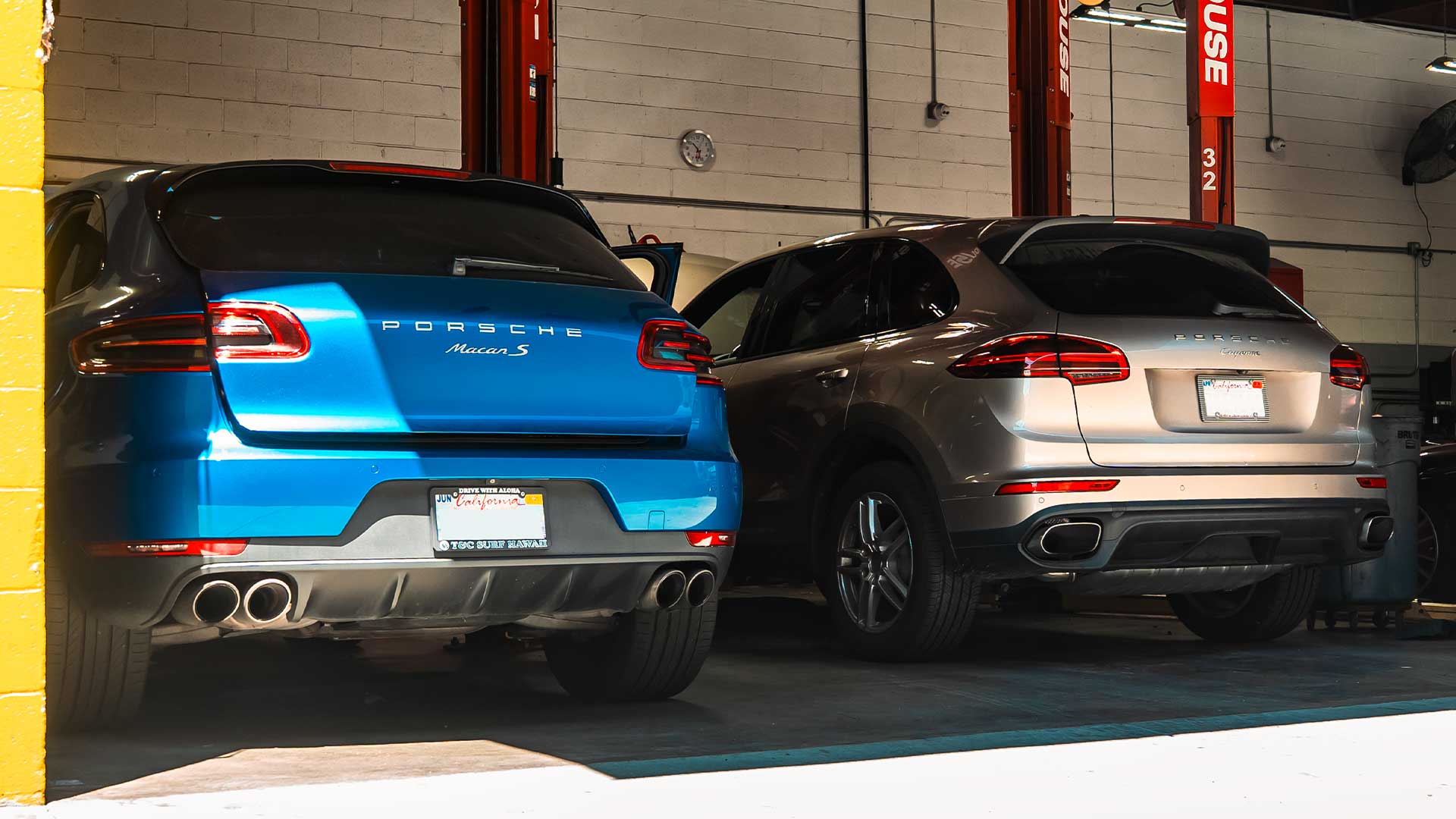
Engine Oil and Filter
Porsche’s service intervals are built around mileage and time, and time is the one most owners underestimate. Water-cooled engines across the 991, 992, Cayenne, Macan, and Panamera follow Porsche’s schedule based on whichever comes first: mileage or 12 months. If your driving was lighter than usual between October and February, the calendar likely beat the odometer.
On older 911s in the 996 and 997 generations, oil condition deserves close attention. These engines run at higher operating temperatures, carry tighter tolerances than modern variants, and don’t respond well to degraded or contaminated oil. An annual oil and filter service with Porsche-approved fluids isn’t precautionary maintenance on these cars, it’s engine protection.
Our oil change and yearly service covers all water-cooled and air-cooled Porsche models using genuine OEM fluids that meet Porsche’s factory specifications.
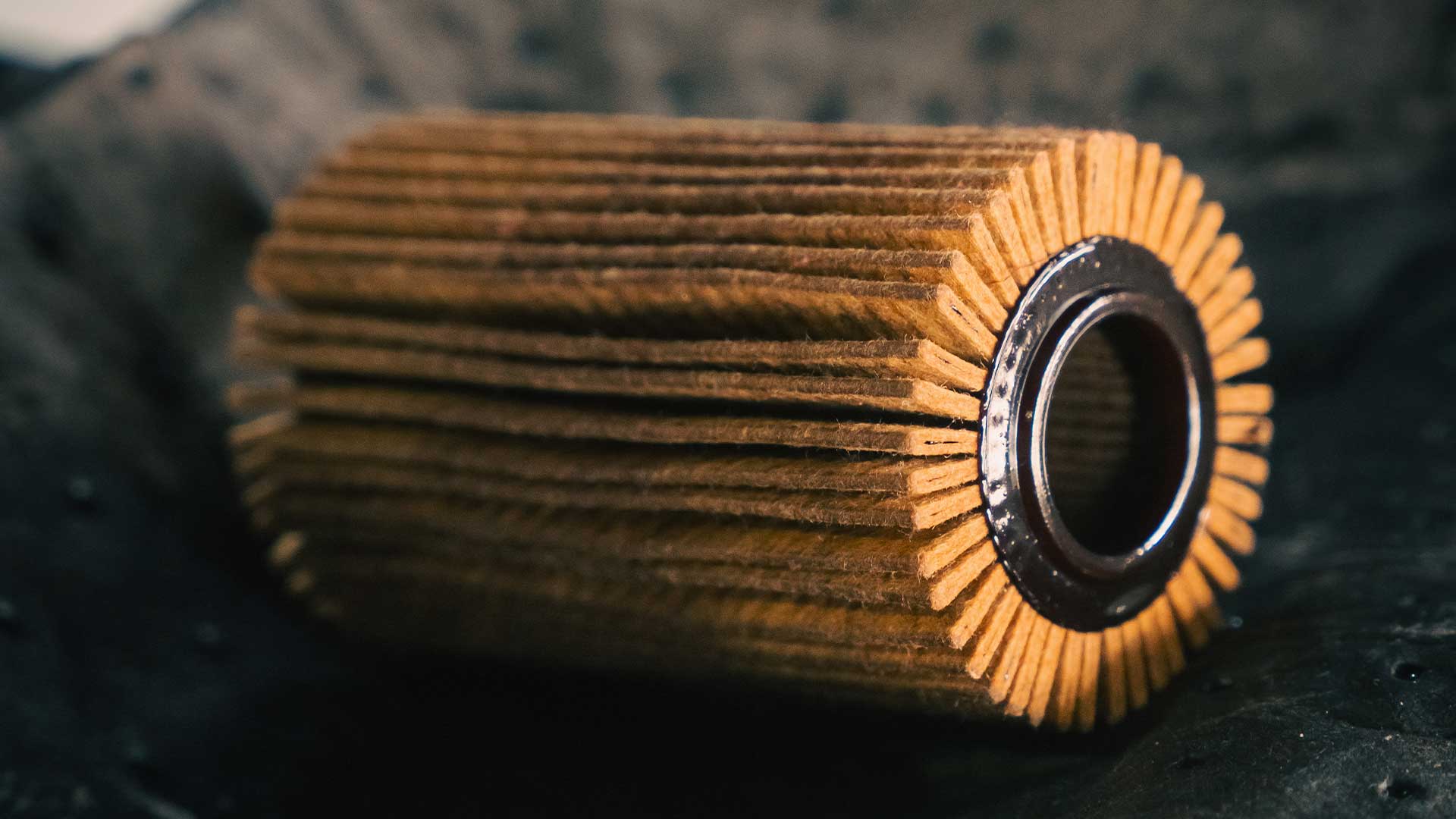
Brake Fluid
Brake fluid is the most consistently deferred item on Porsche maintenance schedules, and the mechanical case for staying current is direct. DOT 4 and DOT 5.1 fluids absorb moisture from the air over time. As moisture content builds, the fluid’s boiling point drops. On a Porsche driven with any real intent through mountain roads or track sessions, that drop has real consequences.
Porsche’s factory recommendation is a full flush every two years, regardless of mileage. If your car is approaching that window, spring is a practical time to handle it before summer heat cycles start stressing the system. The service takes about an hour and restores the fluid to full specification.
After February’s storms, this one is worth prioritizing. Prolonged moisture exposure around brake components accelerates contamination in ways that don’t always present symptoms right away.
Schedule a brake fluid flush at our Encino, Pasadena, or Thousand Oaks locations.
If any of these are overdue, our certified technicians can run a full inspection at any HOUSE location. Most services are available same week.
Tires and Tire Pressure
Tire pressure in Southern California shifts more than most people expect. Between December and April, ambient temperature swings of 20 to 30 degrees are common across the region, and pressure drops roughly 1 PSI for every 10-degree Fahrenheit decrease in temperature. If you set your pressures in winter, there’s a real chance they’re off now.
Beyond pressure, check the tires themselves. Performance-compound tires from Michelin, Pirelli, and Continental are rated for both tread depth and age. Tires older than five to six years develop micro-cracking in the tread compound and sidewalls that isn’t always obvious visually, but it reduces grip at the operating temperatures a 911, Cayman, or Boxster generates during a committed canyon run. The date code is molded into the sidewall of every tire, four digits indicating week and year of manufacture. It’s worth a look before spring driving picks up.
PDK and Transmission Fluid
The PDK in the 981, 982, 991, and 992 is one of the most capable dual-clutch transmissions built for road use, and its fluid requirements reflect that engineering. Porsche specifies PDK fluid changes at approximately every 40,000 miles under normal driving conditions, with a tighter interval for vehicles that see track days or regular spirited driving.
For Cayenne and Panamera owners running a Tiptronic or 8-speed automatic, the same principle applies. Transmission fluid degrades through heat cycling and shear stress over time, and summer in Los Angeles puts additional thermal load on the drivetrain that a fresh fluid service handles significantly better than degraded fluid.
Our transmission service and repair covers both PDK and automatic applications, using factory-specified fluids and Porsche PIWIS diagnostics.
Rotors, Brakes, and What the Recent Rain Left Behind
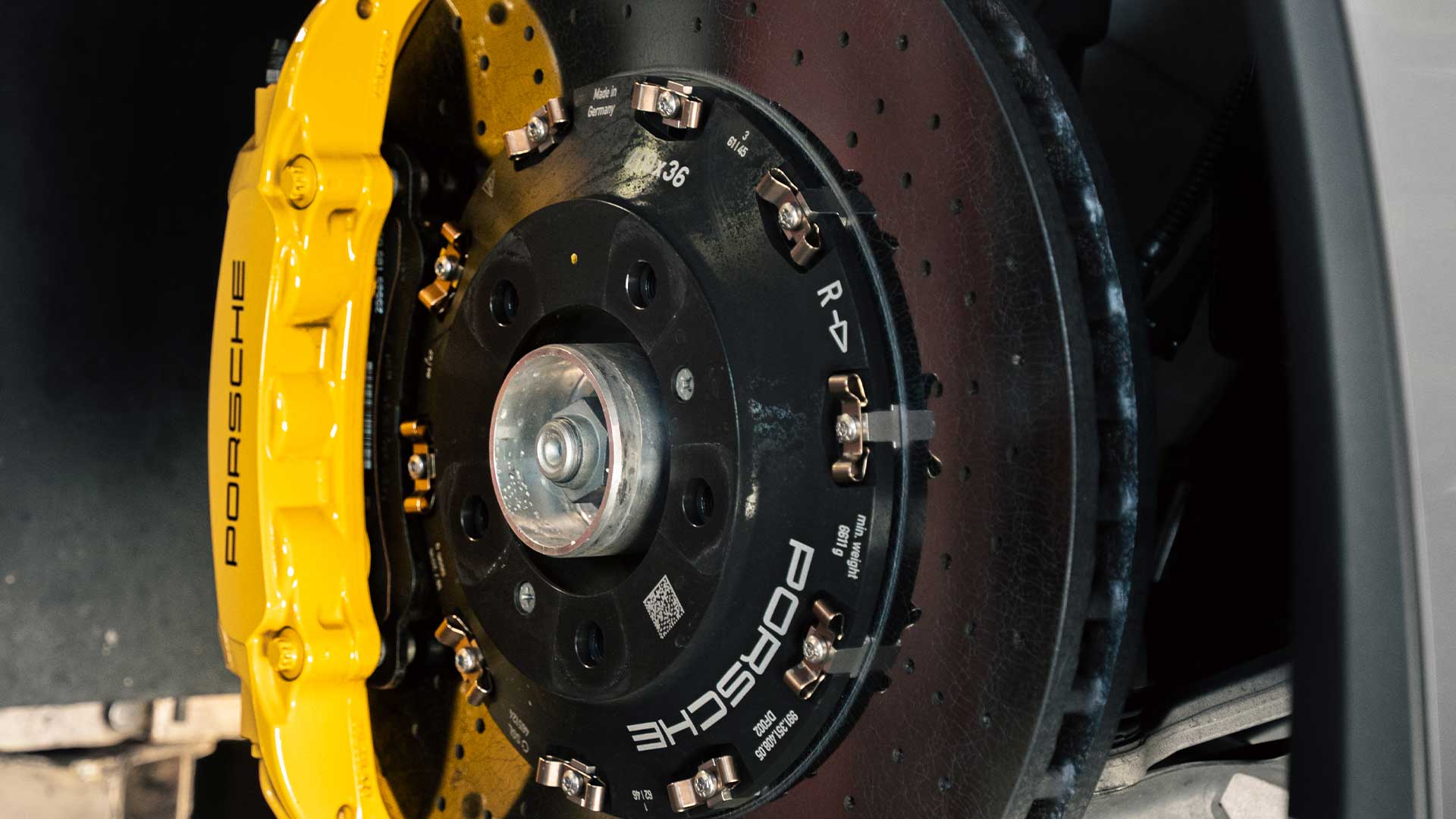
Surface rust on brake rotors after heavy rain is expected and normal. It burns off within a few heat cycles of regular driving and doesn’t indicate a problem on its own. But if you’re feeling vibration through the brake pedal or pull under hard braking weeks after the last storm, that rust may have had time to etch into the rotor face and create uneven contact.
A full brake inspection answers all of it at once. Rotor thickness, pad depth, caliper condition, and brake line integrity are all checked during a single visit, and it takes less time than most owners expect. While the car is on the lift, asking for an undercarriage check is worth doing. Road debris from flooded streets, moisture in recessed panels, and any suspension damage from standing water rarely show symptoms early, but they develop over time.
Buying a Porsche This Spring? Get It Inspected First
Spring brings a reliable uptick in Porsche transactions, both private party and through dealers. If you’re buying a used 911, Cayenne, Macan, or Boxster in the next few months, a pre-purchase inspection is the most important step before committing to anything.
Cars with clean histories come through our shop for PPIs and reveal deferred maintenance, undisclosed collision repair, and cooling system issues that no documentation captured. On older 911s, the items that matter most require hands-on evaluation. IMS bearing condition, bore scoring potential on 996 and 997 engines, proper RMS sealing — none of those show up in a vehicle history report.
Our pre-purchase inspection covers all generations and gives you a complete picture of what you’re actually buying.
If you’re still deciding which 911 fits what you’re looking for, our generation-specific guides cover the known failure points, what changed between model years, and what’s worth negotiating on. Start with the 996 guide, the 997 comparison, or the 991 buyer’s guide.
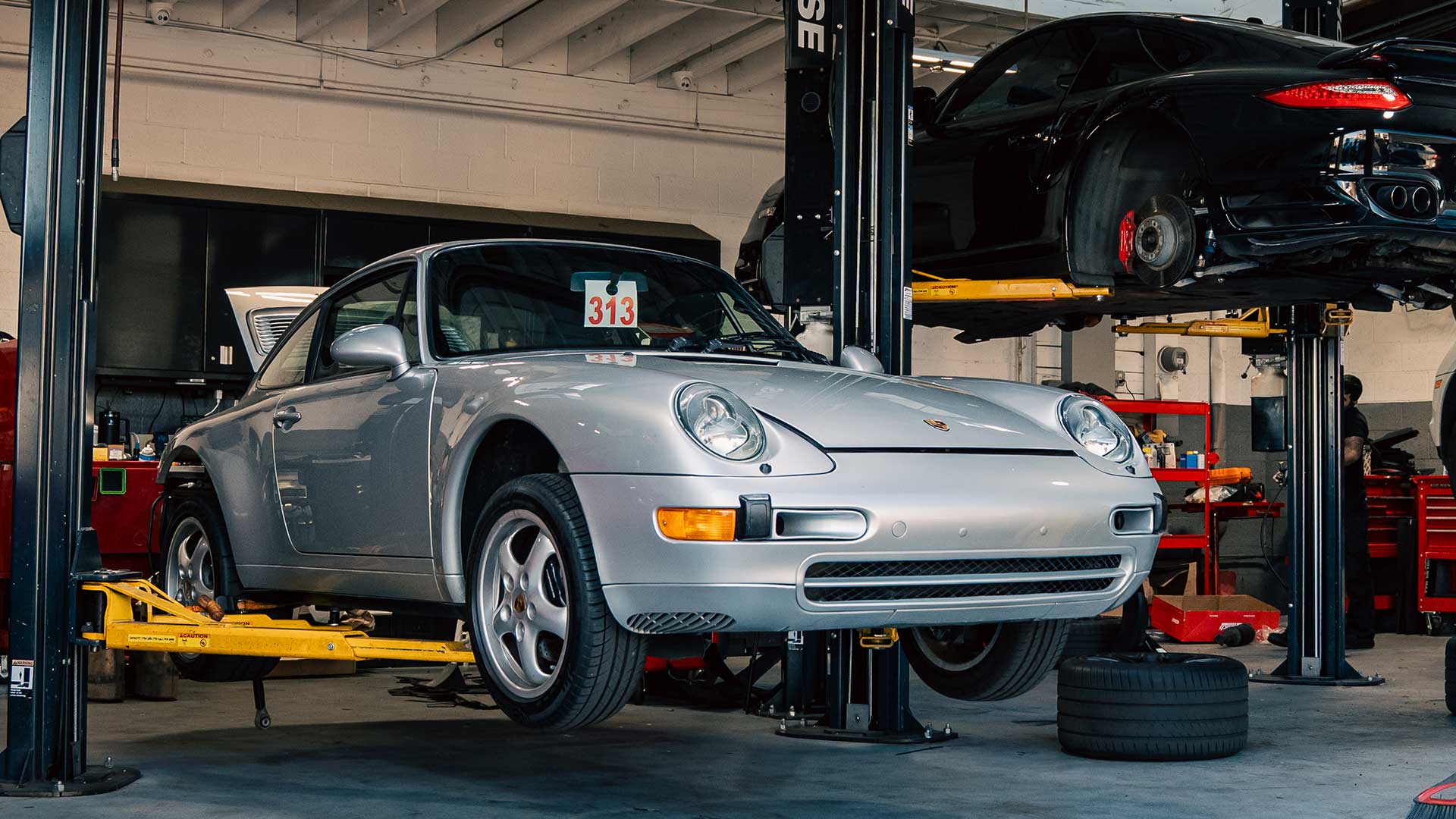
LA's Favorite Porsche Shop
Spring in Los Angeles is genuinely one of the better times of year to own a Porsche. The temperatures are right, the roads are clear, and the driving is worth showing up for. Getting the car properly inspected now means the season actually stays that way.
HOUSE Automotive operates three locations in Encino, Pasadena, and Thousand Oaks. All work is performed by independently certified technicians using genuine OEM parts and Porsche factory diagnostic tools, backed by a 2-year unlimited mile warranty on all parts and labor.